The new framework is expected to bring substantially lower penalties and more flexible payment options.
Sat 24 Oct 2026 · 08:38 EDT · 2 min read
In Regulation
Share
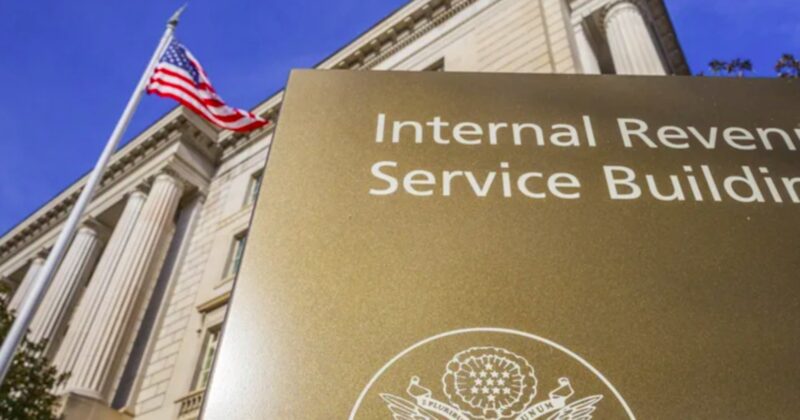
The IRS is “very close” to introducing a revamped voluntary disclosure program that will cover digital assets, with a launch targeted before December, according to Jarod Koopman, the agency’s chief tax compliance officer and head of Criminal Investigation.
Speaking at the UCLA Extension Tax Controversy Conference on Oct. 23, he said the IRS wants to resolve cases within 120 days after taxpayers complete the required submissions, replacing a process that can leave applicants waiting a year or longer.
The revised program is also expected to reduce penalties greatly and make it easier for taxpayers to address unpaid tax liabilities without paying the full amount upfront.
Koopman said the IRS is exploring offers in compromise and installment arrangements to help taxpayers settle outstanding liabilities without requiring full payment upfront.
The crypto and markets news you actually need—every morning.
Daily. Free. Join 34,000+ readers across crypto, finance, and policy.
We respect your privacy. Unsubscribe anytime.
He also ruled out a separate voluntary disclosure program for crypto, saying digital assets would be handled through the same process as other sources of taxable income. Taxpayers whose conduct was non-willful may instead be able to use other compliance mechanisms, including qualified amended returns when applicable.
While the proposed changes aim to address delays, financial penalties and payment difficulties, the IRS has not yet disclosed the specific penalty reductions, eligibility standards or information requirements.
Practitioners will need to review the final procedures to determine how much the program changes taxpayers’ incentives to disclose past noncompliance before the IRS discovers it.
Disclosure: This article was edited by John Chen. For more information on how we create and review content, see our Editorial Policy.