Bitcoin Bounces Back as Markets Digest Midterms
翻訳を準備中です。英語の原文を表示しています。英語の原文を見る
文字サイズ本文を読む ↓
画像を読み込み中
Bitcoin bounces back as it staged a sharp V-shaped recovery after briefly falling below $76,000 following the U.S. midterm elections, returning towards the $78,000 level as traders reassessed the political and economic outlook. However, despite renewed buying interest, BTC’s recovery remains technically fragile, with key moving averages likely to determine whether the rebound can develop […]

Bitcoin bounces back as it staged a sharp V-shaped recovery after briefly falling below $76,000 following the U.S. midterm elections, returning towards the $78,000 level as traders reassessed the political and economic outlook. However, despite renewed buying interest, BTC’s recovery remains technically fragile, with key moving averages likely to determine whether the rebound can develop into a more sustained rally.
The latest price action highlights how political developments, geopolitical tensions and changing oil prices can influence cryptocurrency markets, particularly when investors are already cautious about broader economic conditions.
Bitcoin’s Recovery Faces Key Technical Resistance
Bitcoin’s rebound suggests that buyers are willing to defend lower price levels, but the recovery alone does not confirm a bullish trend reversal. The immediate technical focus is the hourly 200-period exponential moving average (EMA).
A decisive break above this indicator, followed by a successful retest, could strengthen the bullish outlook and open the way towards the four-hour moving-average resistance zone. Such a move would indicate improving short-term momentum, although further resistance could limit additional gains.
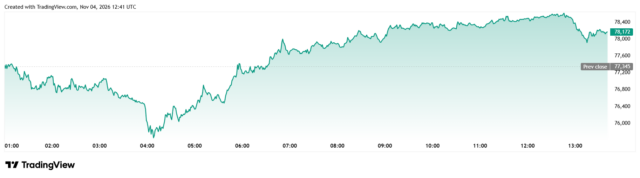
Conversely, continued rejection below the hourly 200 EMA would leave Bitcoin vulnerable to renewed selling pressure. The broader outlook also remains cautious while BTC trades below its daily moving-average structure. A failure to maintain the recent recovery could bring the $76,000 area back into focus, with a breakdown potentially exposing the market to further losses.
Traders should also monitor trading volume, derivatives positioning and spot-market demand to determine whether the rebound reflects sustained buying or temporary short covering.
US Midterm Elections Introduce Fresh Regulatory Uncertainty
The U.S. midterm elections have added another variable to Bitcoin’s outlook. The results could influence congressional priorities and the future of proposed cryptocurrency legislation, including efforts to establish a clearer regulatory framework for digital assets.
Following the Democrats’ gains in both chambers of Congress, concerns emerged that progress on industry-backed crypto legislation could slow. Bitcoin initially declined before recovering, illustrating how markets can react not only to political outcomes but also to the removal of uncertainty surrounding them. Reuters reported that cryptocurrencies rebounded alongside U.S. stock futures on November 4, despite concerns about the regulatory implications of the results.
The longer-term effect will depend on how lawmakers approach digital-asset regulation, institutional participation and market oversight. Greater regulatory clarity could support adoption, while prolonged legislative uncertainty could weigh on investor confidence.
Oil Prices and Geopolitical Tensions Could Shape Bitcoin’s Next Move
Oil prices remain another important factor. Recent declines in crude prices followed renewed hopes for diplomatic progress in the U.S.-Iran conflict, highlighting the connection between geopolitical developments and financial-market sentiment.
Lower oil prices can ease inflationary pressures and reduce concerns about prolonged high interest rates, potentially improving conditions for risk-sensitive assets such as Bitcoin. Conversely, renewed conflict or supply disruptions could push energy prices higher, increase inflation concerns and strengthen expectations that monetary policy will remain restrictive.
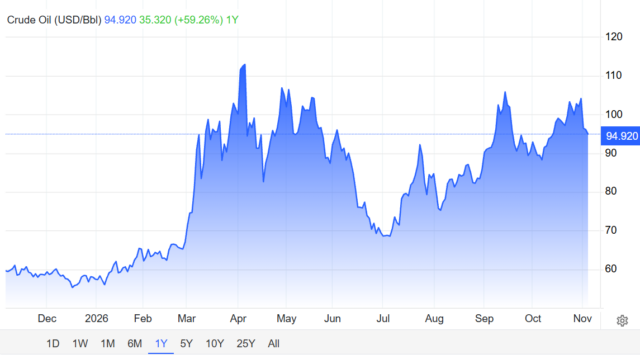
Source: https://tradingeconomics.com/commodity/crude-oil
Bitcoin is not consistently correlated with oil, but it can be affected indirectly through changes in inflation expectations, Treasury yields, the U.S. dollar, and appetite for risk.
Bitcoin Outlook: Confirmation Is Still Needed
Bitcoin bounces back and its recovery is encouraging, but the market has yet to establish a convincing bullish structure. Reclaiming the hourly 200 EMA would provide an initial positive signal, while continued rejection below higher-timeframe resistance would preserve downside risks.
For now, traders should watch technical levels alongside geopolitical developments, oil prices and the evolving U.S. regulatory outlook. The next decisive move will depend on whether buyers can turn the recent rebound into sustained momentum.